
- Posts: 31357
- Thank you received: 181
Broke U.S. Resumes Spending
- FredHayek
-

- Mountain Legend
-

Less
More
24 Oct 2013 15:32 #21
by FredHayek
Thomas Sowell: There are no solutions, just trade-offs.
Replied by FredHayek on topic Broke U.S. Resumes Spending
Close colleges, when did I say that? Defund public schools, actually my plan for vouchers would give more money for public schools per student. And take PERA away from teachers? My wife is in the PERA program and we are buying years so it would be stupid for me to support taking pensions aways for members.
Thomas Sowell: There are no solutions, just trade-offs.
Please Log in or Create an account to join the conversation.
- UNDER MODERATION
-

- Visitor
-

24 Oct 2013 15:45 #22
by UNDER MODERATION
Yeah, ok- You cheered wildly when the Wisconsin governor took 100 million from teachers pension funds and gave it to corporations and the koch brothers in the form of 100 million dollars worth of tax breaks, and you and your right wing retard party never shut up about the colleges Full of liberal elites...
You....Are no friend of education
Replied by UNDER MODERATION on topic Broke U.S. Resumes Spending
FredHayek wrote: Close colleges, when did I say that? Defund public schools, actually my plan for vouchers would give more money for public schools per student. And take PERA away from teachers? My wife is in the PERA program and we are buying years so it would be stupid for me to support taking pensions aways for members.
Yeah, ok- You cheered wildly when the Wisconsin governor took 100 million from teachers pension funds and gave it to corporations and the koch brothers in the form of 100 million dollars worth of tax breaks, and you and your right wing retard party never shut up about the colleges Full of liberal elites...
You....Are no friend of education
Please Log in or Create an account to join the conversation.
- deltamrey
-

- Mountain Legend
-
Less
More
- Posts: 1130
- Thank you received: 7
24 Oct 2013 15:54 #23
by deltamrey
Replied by deltamrey on topic Broke U.S. Resumes Spending
Sequence Sheep:
Lincoln - States Rights RAPE
Wilson - IRS/FED
FDR -RAW DEAL
LBJ - Great Socialist Taking
911 - Muslim ATTACK - Police State
Obama - OVER THE EDGE
Lincoln - States Rights RAPE
Wilson - IRS/FED
FDR -RAW DEAL
LBJ - Great Socialist Taking
911 - Muslim ATTACK - Police State
Obama - OVER THE EDGE
Please Log in or Create an account to join the conversation.
- UNDER MODERATION
-
- Visitor
-
24 Oct 2013 16:04 #24
by UNDER MODERATION
Thanks for sharing Deltaray
[youtube:35yml0du][/youtube:35yml0du]
Replied by UNDER MODERATION on topic Broke U.S. Resumes Spending
deltamrey wrote: Sequence Sheep:
Lincoln - States Rights RAPE
Wilson - IRS/FED
FDR -RAW DEAL
LBJ - Great Socialist Taking
911 - Muslim ATTACK - Police State
Obama - OVER THE EDGE
Thanks for sharing Deltaray
[youtube:35yml0du][/youtube:35yml0du]
Please Log in or Create an account to join the conversation.
- Blazer Bob
-
 Topic Author
- Mountain Legend
-
Less
More
- Posts: 10452
- Thank you received: 70
24 Oct 2013 17:51 - 24 Aug 2014 22:04 #25
by Blazer Bob
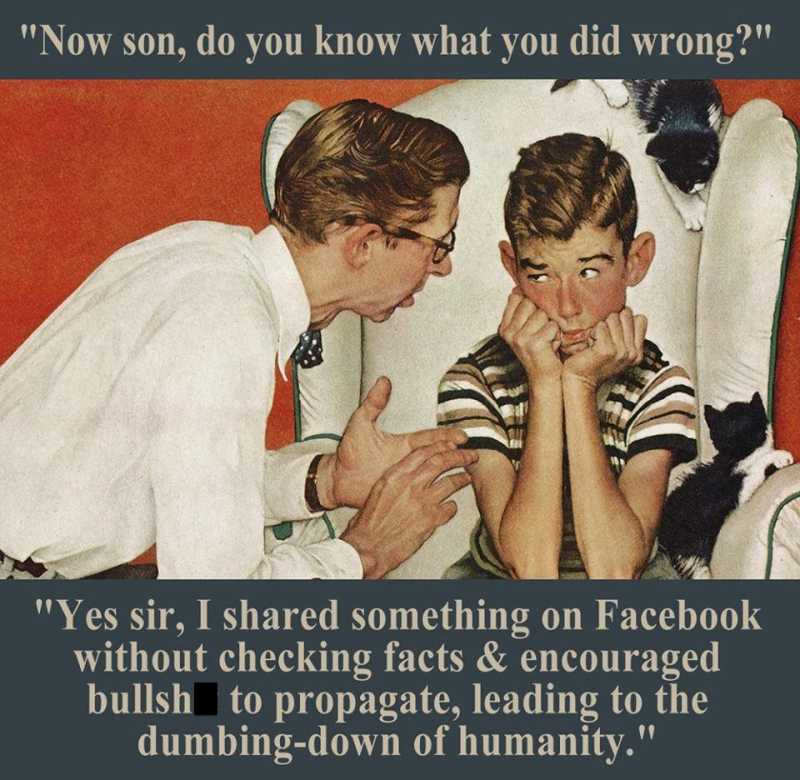
Replied by Blazer Bob on topic Broke U.S. Resumes Spending
Last edit: 24 Aug 2014 22:04 by MyMountainTown. Reason: Replaced with edited image for starred word not intended for this forum
Please Log in or Create an account to join the conversation.
- Rick
-

- Mountain Legend
-
Less
More
- Posts: 15708
- Thank you received: 165
24 Oct 2013 17:54 - 24 Aug 2014 22:07 #26
by Rick

The left is angry because they are now being judged by the content of their character and not by the color of their skin.
Replied by Rick on topic Broke U.S. Resumes Spending
:rofllolBlazer Bob wrote:
The left is angry because they are now being judged by the content of their character and not by the color of their skin.
Last edit: 24 Aug 2014 22:07 by MyMountainTown. Reason: Replaced with edited image from quoted post
Please Log in or Create an account to join the conversation.
- LadyJazzer
-

- Mountain Legend
-
Less
More
- Posts: 14880
- Thank you received: 27
24 Oct 2013 17:57 #27
by LadyJazzer
lol
I could read your insanity for ... seconds.... Then I consider the source, and realize it's time to floss the cat and sort the silverware drawer.
Replied by LadyJazzer on topic Broke U.S. Resumes Spending
deltamrey wrote: Sequence Sheep:
Lincoln - States Rights RAPE
Wilson - IRS/FED
FDR -RAW DEAL
LBJ - Great Socialist Taking
911 - Muslim ATTACK - Police State
Obama - OVER THE EDGE
lol
I could read your insanity for ... seconds.... Then I consider the source, and realize it's time to floss the cat and sort the silverware drawer.
Please Log in or Create an account to join the conversation.
- The Boss
-

- Mountain Legend
-
Less
More
- Posts: 1688
- Thank you received: 0
25 Oct 2013 15:35 #28
by The Boss
I appreciate you posting how much this is really a game to prop up the fake economy and not an issue being taken seriously for what it is. You are concerned about our reputation in the market to get more loans and that is just about it. You list shows the only viable solution is a thriving economy unlike we have ever seen, but if we had an example it would look like 5-15 years ago, which resulted in the problem getting bigger in the first place.
Here is why the debt matters.
1. We are not in the middle of any major emergency. Emergencies, such as the one you brought up, WWII, could occur and would be far more costly today than they were then. The reason we need to stay robust is to be able to deal with such an emergency. We are currently not and it is constantly stated how stretched thin our military and our money is. We spent all our money on domestic issues and contrived international issues.
2. Some people in this country did reproduce and did not save up enough to keep those kids from working. These kids and their kids will have to pay for it. Kind of #1 again. They may come up with ways to keep us alive longer. Those folks will pay too (you know the healthy nonsmoking eating well types), for longer.
But if all you are doing is selling the "American Product", but not worrying about putting anything in the box you are selling, then you are 100% right. Kind of like stocks with no value. Interesting. Model how the US behaves after Wall Street. Is that really the best idea?
Can you name a year, month, week, day, hour, minute or even a second when your theory about a robust economy eliminated our debt in the last 100 years?
Replied by The Boss on topic Broke U.S. Resumes Spending
Big Dougy wrote: Our debt is 70% of GDP, it's been much higher and was 120% after WW2- So peddle your misinformation an fear somewhere else you lil Homo
Why Debt to GDP Matters
The debt-to-GDP ratio is a measure of the country's federal debt in relation to its gross domestic product. By comparing what the country owes to what it produces, the ratio indicates the country's ability to pay its debt; the higher the ratio, the higher the risk of default.
The ratio matters because:
■Rating agencies, such as Fitch, S&P and Moody's, commonly use debt-to-GDP ratios to determine the credit worthiness of a country.
■Purchasers of a country's debt buy with the assertion they will be paid back on time.
■In a thriving economy, an elevated debt-to-GDP ratio isn't much of a concern since future earnings portend a country will be able to pay off its debts quickly. In a stagnant economy, a high ratio raises a red flag.
■Not having a feasible plan in place to address a high debt-to-GDP ratio increases the risk of default, which leads to credit downgrades, reduced debt sales and a tarnished reputation.
I appreciate you posting how much this is really a game to prop up the fake economy and not an issue being taken seriously for what it is. You are concerned about our reputation in the market to get more loans and that is just about it. You list shows the only viable solution is a thriving economy unlike we have ever seen, but if we had an example it would look like 5-15 years ago, which resulted in the problem getting bigger in the first place.
Here is why the debt matters.
1. We are not in the middle of any major emergency. Emergencies, such as the one you brought up, WWII, could occur and would be far more costly today than they were then. The reason we need to stay robust is to be able to deal with such an emergency. We are currently not and it is constantly stated how stretched thin our military and our money is. We spent all our money on domestic issues and contrived international issues.
2. Some people in this country did reproduce and did not save up enough to keep those kids from working. These kids and their kids will have to pay for it. Kind of #1 again. They may come up with ways to keep us alive longer. Those folks will pay too (you know the healthy nonsmoking eating well types), for longer.
But if all you are doing is selling the "American Product", but not worrying about putting anything in the box you are selling, then you are 100% right. Kind of like stocks with no value. Interesting. Model how the US behaves after Wall Street. Is that really the best idea?
Can you name a year, month, week, day, hour, minute or even a second when your theory about a robust economy eliminated our debt in the last 100 years?
Please Log in or Create an account to join the conversation.
- UNDER MODERATION
-
- Visitor
-
25 Oct 2013 16:17 #29
by UNDER MODERATION
Replied by UNDER MODERATION on topic Broke U.S. Resumes Spending
I'm not reading that..Condense it
I'm a busy man
I'm a busy man
Please Log in or Create an account to join the conversation.
- Rick
-
- Mountain Legend
-
Less
More
- Posts: 15708
- Thank you received: 165
25 Oct 2013 16:32 - 25 Oct 2013 16:39 #30
by Rick
He's not that smart but knows how to cut and paste.
The left is angry because they are now being judged by the content of their character and not by the color of their skin.
Replied by Rick on topic Broke U.S. Resumes Spending
Just in case you didn't figure it out OTN, VL's post was plagiarized from here: http://moneymorning.com/2013/01/21/the- ... n-buffett/on that note wrote:
Big Dougy wrote: Our debt is 70% of GDP, it's been much higher and was 120% after WW2- So peddle your misinformation an fear somewhere else you lil Homo
Why Debt to GDP Matters
The debt-to-GDP ratio is a measure of the country's federal debt in relation to its gross domestic product. By comparing what the country owes to what it produces, the ratio indicates the country's ability to pay its debt; the higher the ratio, the higher the risk of default.
The ratio matters because:
■Rating agencies, such as Fitch, S&P and Moody's, commonly use debt-to-GDP ratios to determine the credit worthiness of a country.
■Purchasers of a country's debt buy with the assertion they will be paid back on time.
■In a thriving economy, an elevated debt-to-GDP ratio isn't much of a concern since future earnings portend a country will be able to pay off its debts quickly. In a stagnant economy, a high ratio raises a red flag.
■Not having a feasible plan in place to address a high debt-to-GDP ratio increases the risk of default, which leads to credit downgrades, reduced debt sales and a tarnished reputation.
I appreciate you posting how much this is really a game to prop up the fake economy and not an issue being taken seriously for what it is. You are concerned about our reputation in the market to get more loans and that is just about it. You list shows the only viable solution is a thriving economy unlike we have ever seen, but if we had an example it would look like 5-15 years ago, which resulted in the problem getting bigger in the first place.
Here is why the debt matters.
1. We are not in the middle of any major emergency. Emergencies, such as the one you brought up, WWII, could occur and would be far more costly today than they were then. The reason we need to stay robust is to be able to deal with such an emergency. We are currently not and it is constantly stated how stretched thin our military and our money is. We spent all our money on domestic issues and contrived international issues.
2. Some people in this country did reproduce and did not save up enough to keep those kids from working. These kids and their kids will have to pay for it. Kind of #1 again. They may come up with ways to keep us alive longer. Those folks will pay too (you know the healthy nonsmoking eating well types), for longer.
But if all you are doing is selling the "American Product", but not worrying about putting anything in the box you are selling, then you are 100% right. Kind of like stocks with no value. Interesting. Model how the US behaves after Wall Street. Is that really the best idea?
Can you name a year, month, week, day, hour, minute or even a second when your theory about a robust economy eliminated our debt in the last 100 years?
He's not that smart but knows how to cut and paste.
The left is angry because they are now being judged by the content of their character and not by the color of their skin.
Last edit: 25 Oct 2013 16:39 by Rick.
Please Log in or Create an account to join the conversation.
Time to create page: 0.235 seconds
sponsors