- Posts: 14
- Thank you received: 0
- Forum
- Mountain Classifieds
- Free Business & Member Classifieds
- Forestwerx, your homegrown Fire Mitigation, Forestry & Trail Building experts
Forestwerx, your homegrown Fire Mitigation, Forestry & Trail Building experts
- Forestwerx
-
 Topic Author
- Tourist
-

Less
More
17 Feb 2026 21:19 #1
by Forestwerx
Fire Professionals developing ecologically responsible fire Hardened environments since 2020.
www.forestwerx.com/
303-717-0090
Forestwerx, your homegrown Fire Mitigation, Forestry & Trail Building experts was created by Forestwerx
Howdy Friends and Neighbors!
We want to share some updates on your homegrown Fire Mitigation, Forestry & Trail Building experts!
*Our team of current and former mountain local Firefighter/Sawyers/ Mitigation Experts returned last year. We also welcomed some new faces.
*We have been incredibly busy, having treated over 100 acres of land by mid-2025, almost all of it being in Evergreen! Our projects included both hand and mechanical forestry treatments on project sizes ranging from 2-40 acres. Several of our projects were large scale pine beetle sanitation & reclamation, treating 100+ large infested ponderosa at a time. (We are proud to see so many friends, neighbors, and clients aggressively fighting our extreme pine beetle -> Fire risk problem!)
* Trailbuilding season! Several of our past projects included residential trail building and maintenance as a tangent to their fire mitigation efforts. One of them even included trail construction as a pre-built fire perimeter!
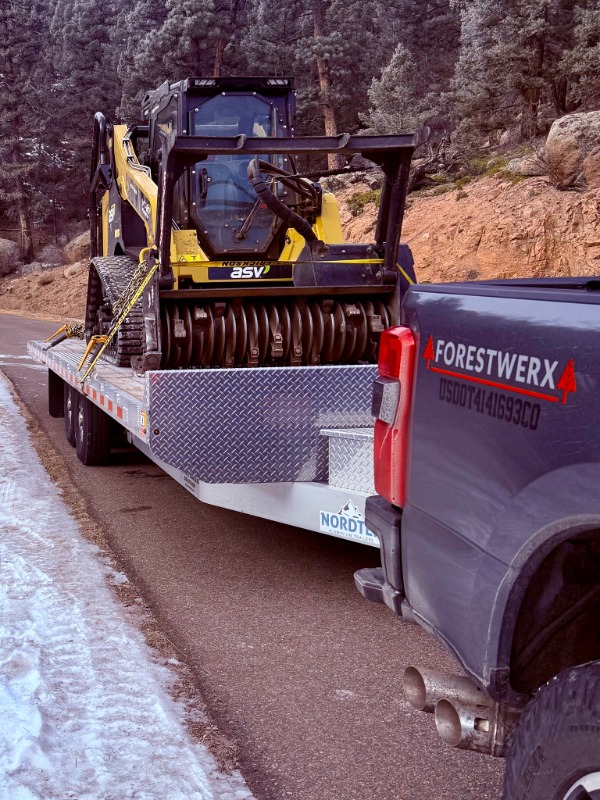
*We continued to add to our fleet of innovative equipment, including our FÖRST tracked chipper that seems to draw a crowd everywhere we take it! In addition, our 2nd forestry mulcher arrived, and we were excited to get it out into the field to serve you. We have also been proud to share some of our equipment to support fire mitigation capacity with multiple fire departments in the area.
* Our website www.forestwerx.com got a great facelift after some feedback from local customers that were having trouble accessing it! If you haven’t visited in a while, come check it out!
**Forestwerx became the very proud sponsor of Jeffco SLASH! You will see Forestwerx logos at all Jeffco Slash Sites/Website and even on your SLASH receipts! We urge all Jeffco Residents to utilize this incredible resource and are thrilled to support the efforts of the county and JCD to keep this program viable.
*** We have already starting to book for spring 2026 projects, however we may have capacity to take earlier projects depending on slope, aspect and size. If you have a Medium to large scale Forestry, Fire Mitigation or Trail building project on your list, we urge you to reach out proactively.
We wanted to wrap up by saying thank you so much to all of our local supporters. From our clients to our sideline cheerleaders and families, we most definitely could not do this without you! We know that you have many choices when it comes to fire mitigation and forestry, especially with so many new entries to the market from both near and far; we always feel so incredibly honored when you choose to support FORESTWERX!
Where to find us:
Web: www.forestwerx.com
Phone: 303-717-0090
Email: This email address is being protected from spambots. You need JavaScript enabled to view it.
We want to share some updates on your homegrown Fire Mitigation, Forestry & Trail Building experts!
*Our team of current and former mountain local Firefighter/Sawyers/ Mitigation Experts returned last year. We also welcomed some new faces.
*We have been incredibly busy, having treated over 100 acres of land by mid-2025, almost all of it being in Evergreen! Our projects included both hand and mechanical forestry treatments on project sizes ranging from 2-40 acres. Several of our projects were large scale pine beetle sanitation & reclamation, treating 100+ large infested ponderosa at a time. (We are proud to see so many friends, neighbors, and clients aggressively fighting our extreme pine beetle -> Fire risk problem!)
* Trailbuilding season! Several of our past projects included residential trail building and maintenance as a tangent to their fire mitigation efforts. One of them even included trail construction as a pre-built fire perimeter!
*We continued to add to our fleet of innovative equipment, including our FÖRST tracked chipper that seems to draw a crowd everywhere we take it! In addition, our 2nd forestry mulcher arrived, and we were excited to get it out into the field to serve you. We have also been proud to share some of our equipment to support fire mitigation capacity with multiple fire departments in the area.
* Our website www.forestwerx.com got a great facelift after some feedback from local customers that were having trouble accessing it! If you haven’t visited in a while, come check it out!
**Forestwerx became the very proud sponsor of Jeffco SLASH! You will see Forestwerx logos at all Jeffco Slash Sites/Website and even on your SLASH receipts! We urge all Jeffco Residents to utilize this incredible resource and are thrilled to support the efforts of the county and JCD to keep this program viable.
*** We have already starting to book for spring 2026 projects, however we may have capacity to take earlier projects depending on slope, aspect and size. If you have a Medium to large scale Forestry, Fire Mitigation or Trail building project on your list, we urge you to reach out proactively.
We wanted to wrap up by saying thank you so much to all of our local supporters. From our clients to our sideline cheerleaders and families, we most definitely could not do this without you! We know that you have many choices when it comes to fire mitigation and forestry, especially with so many new entries to the market from both near and far; we always feel so incredibly honored when you choose to support FORESTWERX!
Where to find us:
Web: www.forestwerx.com
Phone: 303-717-0090
Email: This email address is being protected from spambots. You need JavaScript enabled to view it.
Fire Professionals developing ecologically responsible fire Hardened environments since 2020.
www.forestwerx.com/
303-717-0090
Please Log in or Create an account to join the conversation.
- Forestwerx
-
Topic Author
- Tourist
-
Less
More
- Posts: 14
- Thank you received: 0
28 Feb 2026 16:20 #2
by Forestwerx
Fire Professionals developing ecologically responsible fire Hardened environments since 2020.
www.forestwerx.com/
303-717-0090
Replied by Forestwerx on topic Forestwerx, your homegrown Fire Mitigation, Forestry & Trail Building experts
We’re shouting our gratitude from the rooftops for our incredible Forestwerx core team!
Eric, Harrison, Dale, Taylor, Justin, and Keenan absolutely crushed it in 2025. Together, this locally grown crew brings 60+ years of combined experience across wildland fire, urban interface fire, and forestry—representing six mountain fire districts, BLM, USFS, NPS, and multiple county agencies.
They hold some of the highest-level certifications in the field as sawyers, machine operators, and mitigation specialists, along with advanced degrees ranging from natural resource management to landscape architecture.
There’s truly no team like this one in the Front Range. From wildfire modeling and project assessment to expert timber felling and elite mechanical forestry work—this is the A-Team of fire mitigation and forestry. We’re incredibly proud and endlessly grateful. Here’s to an amazing and an even stronger 2026 together!
We also want to give a huge shoutout to our amazing partners:
Wolf Tree, Mountain Family Tree, Jefferson Conservation District, EFR Wildland Fire Division, The Laverty Group, Hardline Equipment, and so many others who supported and collaborated with us this year.
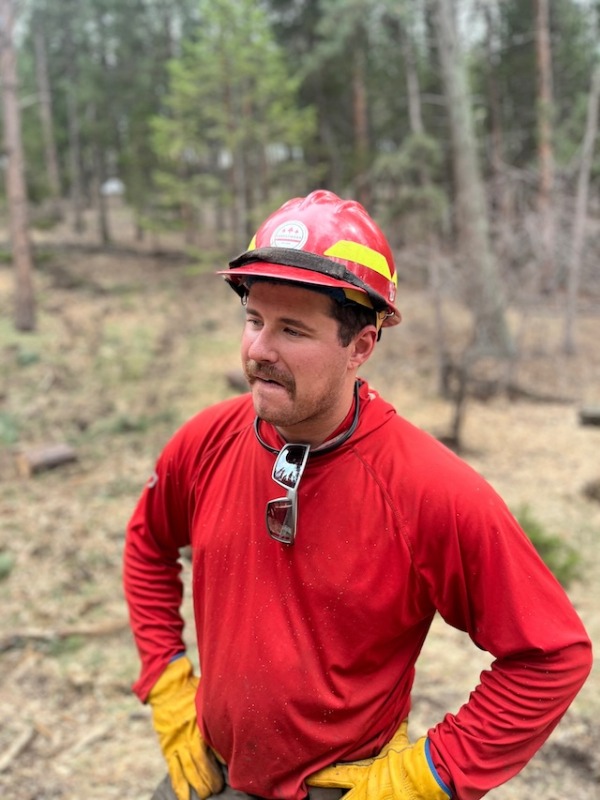
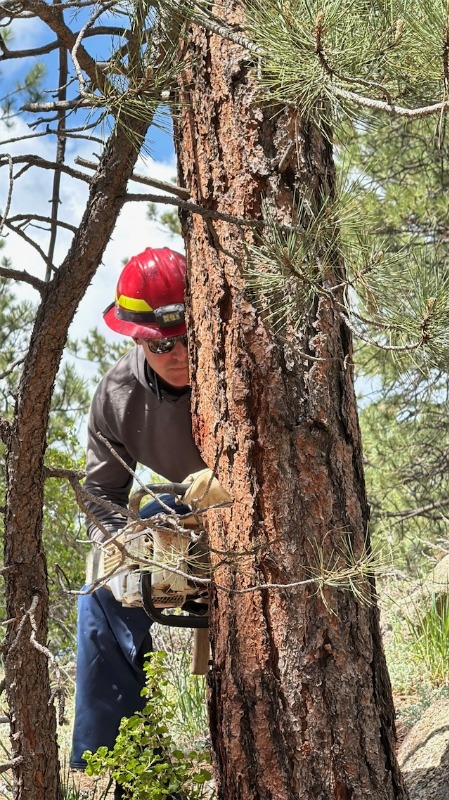
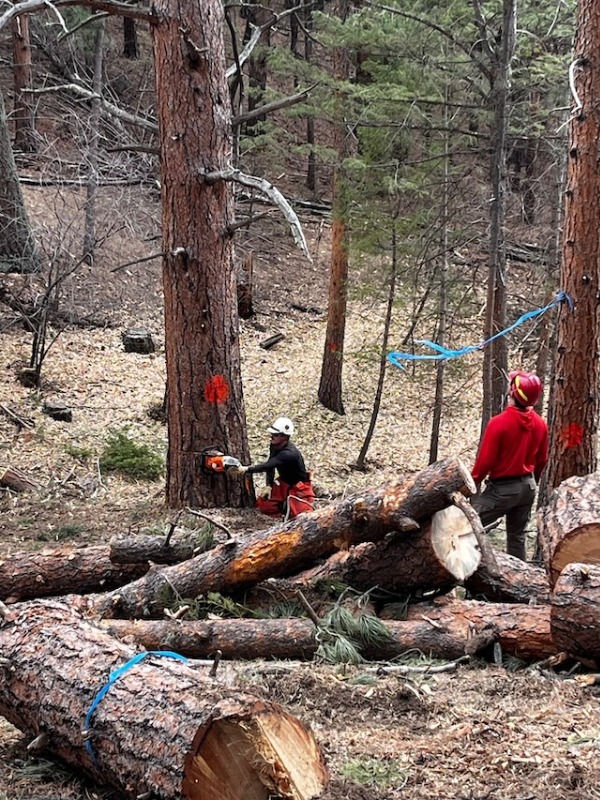
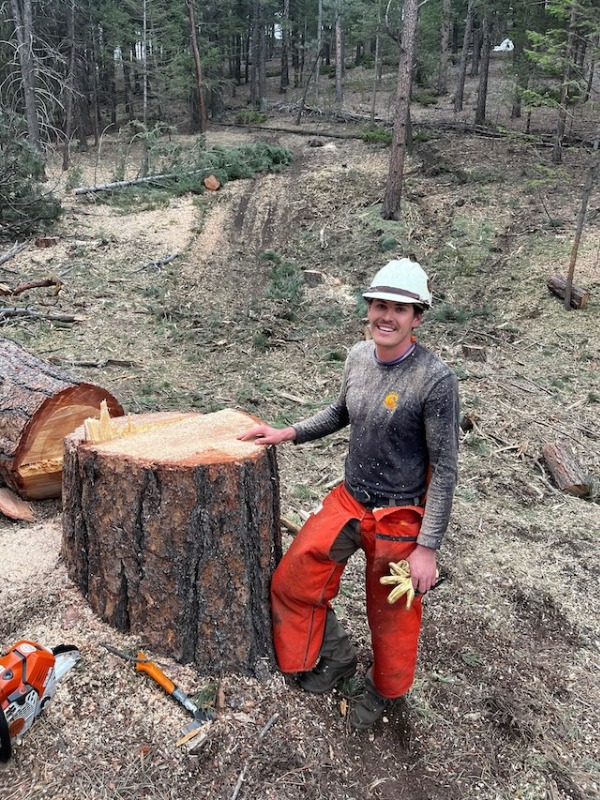
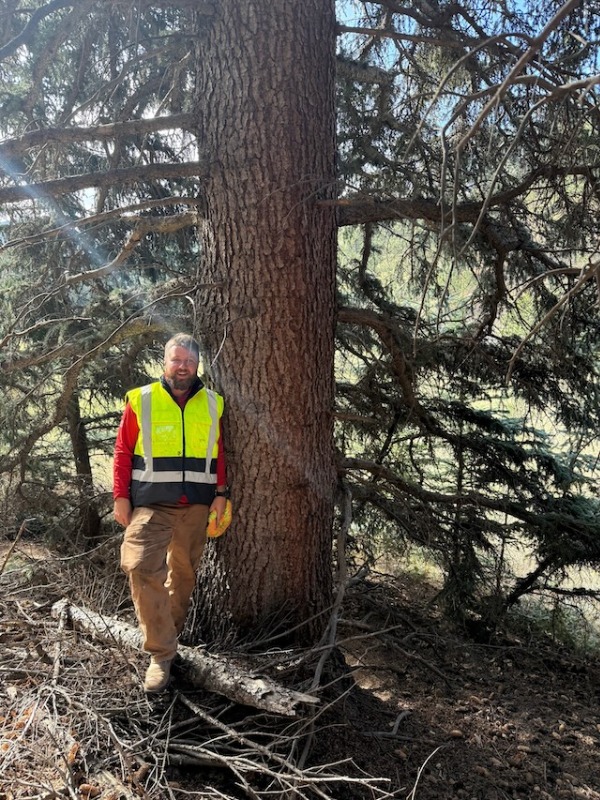
Eric, Harrison, Dale, Taylor, Justin, and Keenan absolutely crushed it in 2025. Together, this locally grown crew brings 60+ years of combined experience across wildland fire, urban interface fire, and forestry—representing six mountain fire districts, BLM, USFS, NPS, and multiple county agencies.
They hold some of the highest-level certifications in the field as sawyers, machine operators, and mitigation specialists, along with advanced degrees ranging from natural resource management to landscape architecture.
There’s truly no team like this one in the Front Range. From wildfire modeling and project assessment to expert timber felling and elite mechanical forestry work—this is the A-Team of fire mitigation and forestry. We’re incredibly proud and endlessly grateful. Here’s to an amazing and an even stronger 2026 together!
We also want to give a huge shoutout to our amazing partners:
Wolf Tree, Mountain Family Tree, Jefferson Conservation District, EFR Wildland Fire Division, The Laverty Group, Hardline Equipment, and so many others who supported and collaborated with us this year.
Fire Professionals developing ecologically responsible fire Hardened environments since 2020.
www.forestwerx.com/
303-717-0090
Please Log in or Create an account to join the conversation.
- Forestwerx
-
Topic Author
- Tourist
-
Less
More
- Posts: 14
- Thank you received: 0
05 Mar 2026 21:18 #3
by Forestwerx
Fire Professionals developing ecologically responsible fire Hardened environments since 2020.
www.forestwerx.com/
303-717-0090
Replied by Forestwerx on topic Forestwerx, your homegrown Fire Mitigation, Forestry & Trail Building experts
Something I never expected when we started this company in back in 2020, is the bittersweet feeling that comes with wrapping up a big project. We become attached to the land we work with, and the people who call it home. Saying goodbye can feel like saying goodbye to an old friend.
This was a 17 acre fire mitigation and forest health project in Conifer. This project presented many logistical, ecological, and terrain challenges, but it was exceptionally beautiful and delicate. Our team truly knocked it out of the park, attaining a final product that blew our certifying forester away, and made our landowner clients proud. All while finishing several weeks ahead of schedule. So again we say goodbye old friend, It is time to move onto the next!
A huge thank you to our partner landowners in Kings Valley that trusted us with their beloved land, and helped make this project such an exceptional success!
Kyle from Forestwerx
P: 303-717-0090
E: This email address is being protected from spambots. You need JavaScript enabled to view it.
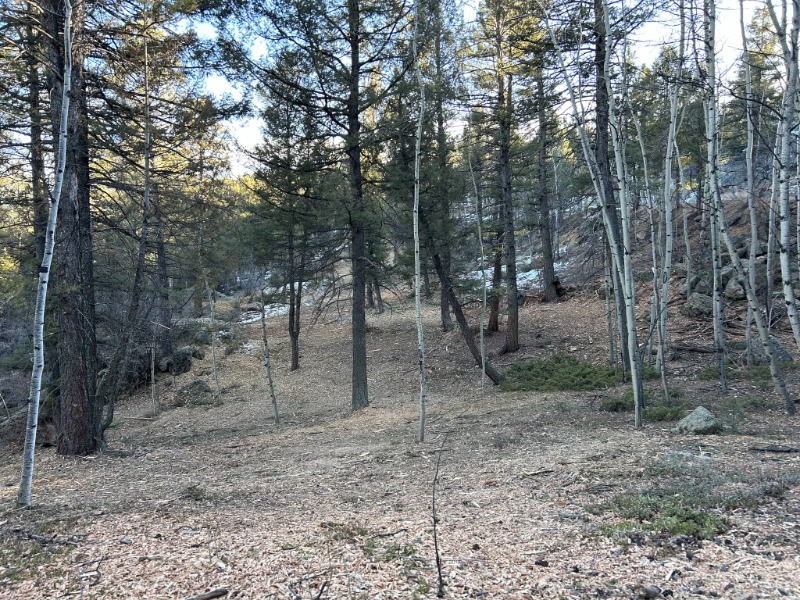
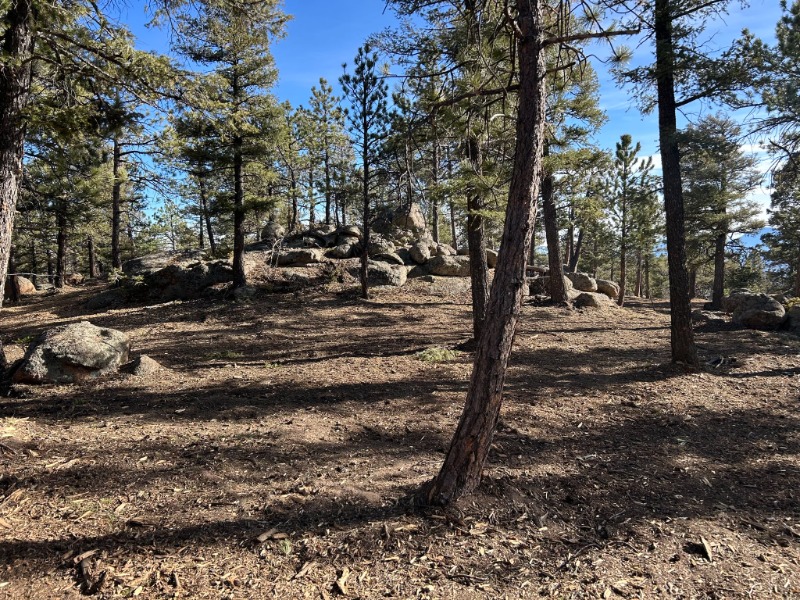
This was a 17 acre fire mitigation and forest health project in Conifer. This project presented many logistical, ecological, and terrain challenges, but it was exceptionally beautiful and delicate. Our team truly knocked it out of the park, attaining a final product that blew our certifying forester away, and made our landowner clients proud. All while finishing several weeks ahead of schedule. So again we say goodbye old friend, It is time to move onto the next!
A huge thank you to our partner landowners in Kings Valley that trusted us with their beloved land, and helped make this project such an exceptional success!
Kyle from Forestwerx
P: 303-717-0090
E: This email address is being protected from spambots. You need JavaScript enabled to view it.
Fire Professionals developing ecologically responsible fire Hardened environments since 2020.
www.forestwerx.com/
303-717-0090
Please Log in or Create an account to join the conversation.
- Forestwerx
-
Topic Author
- Tourist
-
Less
More
- Posts: 14
- Thank you received: 0
23 Mar 2026 16:03 #4
by Forestwerx
Fire Professionals developing ecologically responsible fire Hardened environments since 2020.
www.forestwerx.com/
303-717-0090
Replied by Forestwerx on topic Forestwerx, your homegrown Fire Mitigation, Forestry & Trail Building experts
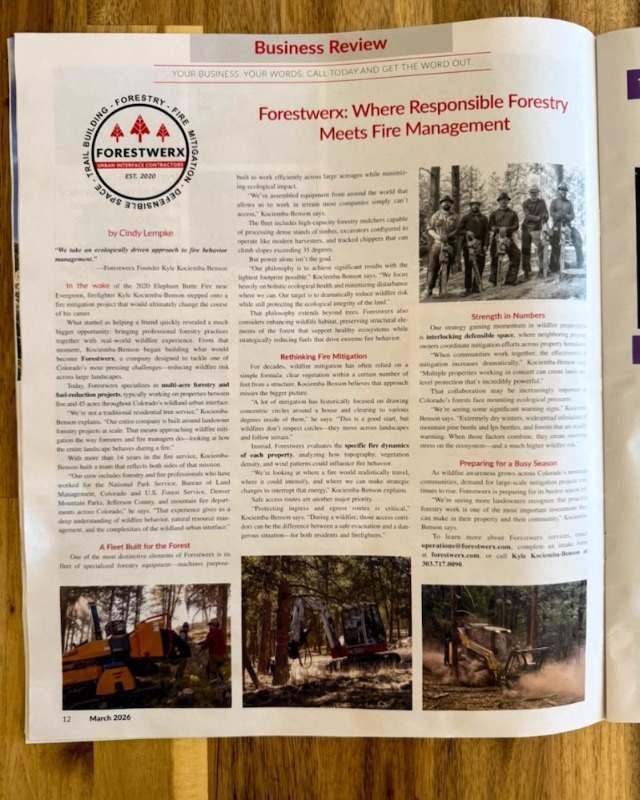
Oh dang! Who dis? Oh wait... that's us!! Honored to share the pages of the
March edition of Colorado Serenity Magazine
with our friends from Evergreen Fire/Rescue and even one of our favorite land management advocates and restauranteur Evan Jeffries!!
Fire Professionals developing ecologically responsible fire Hardened environments since 2020.
www.forestwerx.com/
303-717-0090
Please Log in or Create an account to join the conversation.
- Forestwerx
-
Topic Author
- Tourist
-
Less
More
- Posts: 14
- Thank you received: 0
11 Apr 2026 20:56 #5
by Forestwerx
Fire Professionals developing ecologically responsible fire Hardened environments since 2020.
www.forestwerx.com/
303-717-0090
Replied by Forestwerx on topic Forestwerx, your homegrown Fire Mitigation, Forestry & Trail Building experts
Howdy there neighbors!
I wanted to take a minute to talk with you all about Forestry Mulching, also know as Forestry Mastication.
We have gotten a LOT of questions about forestry mulching at Forestwerx recently, as we had had many of you passing us on a highly visible project on Hwy 65 every day this week. There seems to be quite a lot of misinformation about this practice, so we wanted to take an opportunity to share some answers to our most common questions!
- While it can appear incredibly violent to a bystander, Forestry mulching is a very safe, ecologically sound, and extremely effective method of wildfire fuels modification where we target small diameter (typically 8 in or less) material and grind it in place. At Forestwerx, we use drum mulchers on both our forestry designed ASV skid steers, as well as highly modified Takeuchi excavators for steep slopes and rocky terrain.
-The mulched material is typical left on the ground, and is turned into the top layer of soil in our final clean up pass. While this material does stay in the forest, it DOES NOT significantly increase fire risk. In fact, areas that have been properly treated frequently hold greater soil moisture than they did pre-treatment.
- Forestry mulching does fully eradicate mountain pine beetles, and they, nor any other tree dwelling beetle, can survive in the resulting material on the forest floor.
-Because we take great care to ensure proper mulch size and depth, the majority of our projects have fully rehabilitated within 12 months, often times much faster than that.
- Where it is applicable, forestry mulching is a very cost effective solution for maintaining a healthy and fire hardened forest. Frequently costing about 1/2 to 1/3 less than the cost of comparable hand treatment per acre.
Because we have had so much interest about this recently, coupled with so much misinformation, I want to open the floor for any more questions to help increase our community's general understanding about this incredibly powerful tool in our wildfire prevention arsenal. Please feel free to ask questions here, DM me directly, or reach out to us at Forestwerx using the info below. Have a great weekend!
Thanks!
Kyle from Forestwerx
P: 303-717-0090
E: This email address is being protected from spambots. You need JavaScript enabled to view it.
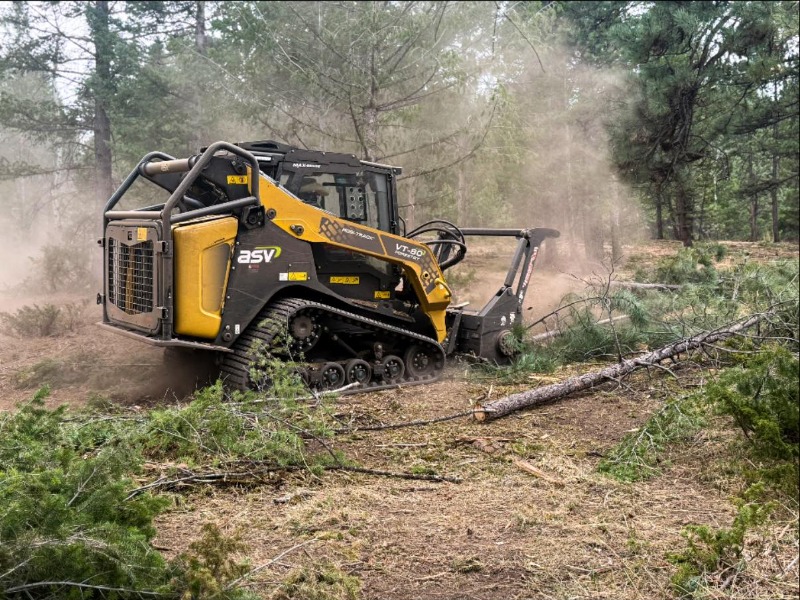
I wanted to take a minute to talk with you all about Forestry Mulching, also know as Forestry Mastication.
We have gotten a LOT of questions about forestry mulching at Forestwerx recently, as we had had many of you passing us on a highly visible project on Hwy 65 every day this week. There seems to be quite a lot of misinformation about this practice, so we wanted to take an opportunity to share some answers to our most common questions!
- While it can appear incredibly violent to a bystander, Forestry mulching is a very safe, ecologically sound, and extremely effective method of wildfire fuels modification where we target small diameter (typically 8 in or less) material and grind it in place. At Forestwerx, we use drum mulchers on both our forestry designed ASV skid steers, as well as highly modified Takeuchi excavators for steep slopes and rocky terrain.
-The mulched material is typical left on the ground, and is turned into the top layer of soil in our final clean up pass. While this material does stay in the forest, it DOES NOT significantly increase fire risk. In fact, areas that have been properly treated frequently hold greater soil moisture than they did pre-treatment.
- Forestry mulching does fully eradicate mountain pine beetles, and they, nor any other tree dwelling beetle, can survive in the resulting material on the forest floor.
-Because we take great care to ensure proper mulch size and depth, the majority of our projects have fully rehabilitated within 12 months, often times much faster than that.
- Where it is applicable, forestry mulching is a very cost effective solution for maintaining a healthy and fire hardened forest. Frequently costing about 1/2 to 1/3 less than the cost of comparable hand treatment per acre.
Because we have had so much interest about this recently, coupled with so much misinformation, I want to open the floor for any more questions to help increase our community's general understanding about this incredibly powerful tool in our wildfire prevention arsenal. Please feel free to ask questions here, DM me directly, or reach out to us at Forestwerx using the info below. Have a great weekend!
Thanks!
Kyle from Forestwerx
P: 303-717-0090
E: This email address is being protected from spambots. You need JavaScript enabled to view it.
Fire Professionals developing ecologically responsible fire Hardened environments since 2020.
www.forestwerx.com/
303-717-0090
Please Log in or Create an account to join the conversation.
- Forestwerx
-
Topic Author
- Tourist
-
Less
More
- Posts: 14
- Thank you received: 0
01 May 2026 18:01 #6
by Forestwerx
Fire Professionals developing ecologically responsible fire Hardened environments since 2020.
www.forestwerx.com/
303-717-0090
Replied by Forestwerx on topic Forestwerx, your homegrown Fire Mitigation, Forestry & Trail Building experts
I hope everyone is enjoying this beautiful chilly day!
I wanted to take a quick moment to talk with you all about professionalism as it pertains to forestry and wildfire mitigation. Frankly, there have been a lot of concerning posts, advertisements, comments, and discussions across social media platforms regarding forestry, tree work, and particularly wildfire prevention over the last few weeks.
I’m not here to put any person or company down, or to sound overly preachy, but I believe the time has come for our community to discuss what you should reasonably expect as a consumer of forestry services. This is especially important as we move into Wildfire Prevention Month tomorrow, when you’ll undoubtedly be flooded with ads from a glut of new companies offering their services.
I’ll do my best to keep this brief—but I’m the son of a preacher, so no promises.
First, let me say this clearly: there is a contractor for everyone, depending on work scope, project scale, affordability, and your personal tolerance for risk. There is room for all kinds of contractors to help us achieve the collective goals of community wildfire resilience and forest health.
However, the points below are really just a baseline of what should be considered acceptable.
Property Lines Matter
No matter what an insurance company may say, please respect property boundaries and your neighbors. Timber Law is very clear, and you do not have any right to do work or force work on someone else’s property without their permission. That said, forestry can also be an incredible opportunity to join hands with neighboring landowners and work together.
Some of the most impactful projects we’ve completed at Forestwerx have been when multiple landowners collaborate across property lines to collectively improve their environment. As we all know, wildfire, beetles, and environmental impacts do not respect invisible lines on the ground—even though we should.
PPE matters
Any person—contractor or otherwise—should be wearing full PPE when performing biomass reduction work.
Every six days, someone dies in a logging accident. It is one of the most dangerous professions in the United States. Helmet, eye protection, gloves, hearing protection, and chainsaw chaps should be considered the bare minimum.
I truly cannot believe how many ads we’ve seen lately featuring contractors promoting services without even basic PPE. As someone who also responds when things go wrong, I personally beg you: Please Wear PPE!
Insurance matters
Please verify your contractor’s insurance coverage: liability, inland marine, workers’ compensation, commercial auto, etc.
If you don’t, you may be directly at risk if something happens on your property. Imagine a serious accident occurring on your project and the contractor has no coverage. Do you want to be exposed to that liability?
Honesty in capability matters
We’ve encountered quite a few landowners receiving outlandish quotes from new companies that simply do not have the capability to perform the jobs they are bidding—or at least not perform them well.
If you have a large, complicated forestry project or a technical climbing job, ask your contractor for photographs, references, and examples of previous work of a similar nature. Sometimes you may even be able to visit an active project.
Every year we are called in to fix “low-cost” work done by companies that were never qualified to do it in the first place. It often ends up costing the landowner double—or more—than it would have cost to do it right the first time.
If you’re a new contractor, please be realistic about your capabilities and honest with your clients. Referring a project to another company better suited for the work is not a knock on you—it is professionalism at its best.
Honesty in experience matters
As mentioned above, there is room for everyone here—from the new contractor operating out of a pickup truck with a chainsaw, insurance, training, and proper PPE, to some of the largest logging companies in the world.
However, particularly in wildfire mitigation, we are seeing an onslaught of people claiming “expertise” where it is not appropriate.
Would you hire a plumber who had never seen water to design your home’s plumbing system? Probably not.
The same logic applies to wildland fire behavior modification.
Along those same lines, calling yourself a firefighter when you are not one is similar to calling yourself a veteran if you never served. It’s not acceptable.
There are certifications that provide useful baseline knowledge of wildland fire, and they absolutely have value—but many were originally intended to complement years of actual fireline experience. Certifications alone do not make someone an expert.
There are multiple contractors in our area who truly do have both the depth of experience and the certifications to expertly guide you through wildfire mitigation, forestry management, and home hardening. That experience is something that should be discussed up front.
Thankfully, we also have incredible resources in our mountain-area fire departments’ mitigation divisions that can help guide decision-making on your projects. Their expertise can make it entirely appropriate for contractors without direct fire experience to execute the work—but that professional guidance should be part of the process.
False affiliations matter
There is no such thing as a company “with,” “for,” “trained by,” or “preferred by” (insert fire department name here). Full stop.
This is false advertising and, frankly, an inappropriate exploitation of the fire district's public trust.
Fire districts may maintain a list of contractors who have completed a very basic orientation of their expectations, and some companies may even work alongside them on projects. They may even provide a list of these contractors to people when they are doing defensible space and home hardening inspections But these are public entities—they do not publicly endorse private companies.
Final thoughts
I know that was a long post, but I feel like at this juncture we needed a community check-in.
I’m sure some will disagree, but hopefully this is helpful as we move into what is shaping up to be a particularly dangerous wildfire season.
Thank you for entertaining my musings and stay safe,
Kyle from Forestwerx
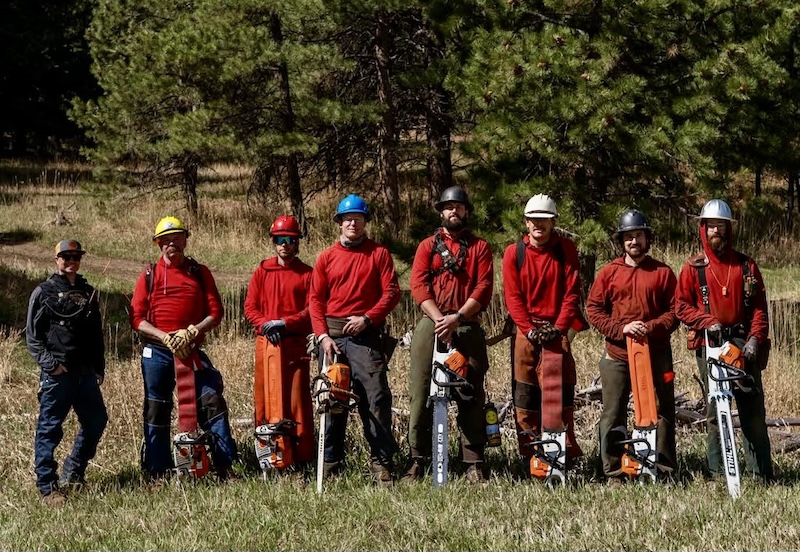
Pic: Almost 100 combined years of fire and forestry experience creating a shaded fuel break to help protect the Lookout Mountain community.
I wanted to take a quick moment to talk with you all about professionalism as it pertains to forestry and wildfire mitigation. Frankly, there have been a lot of concerning posts, advertisements, comments, and discussions across social media platforms regarding forestry, tree work, and particularly wildfire prevention over the last few weeks.
I’m not here to put any person or company down, or to sound overly preachy, but I believe the time has come for our community to discuss what you should reasonably expect as a consumer of forestry services. This is especially important as we move into Wildfire Prevention Month tomorrow, when you’ll undoubtedly be flooded with ads from a glut of new companies offering their services.
I’ll do my best to keep this brief—but I’m the son of a preacher, so no promises.
First, let me say this clearly: there is a contractor for everyone, depending on work scope, project scale, affordability, and your personal tolerance for risk. There is room for all kinds of contractors to help us achieve the collective goals of community wildfire resilience and forest health.
However, the points below are really just a baseline of what should be considered acceptable.
Property Lines Matter
No matter what an insurance company may say, please respect property boundaries and your neighbors. Timber Law is very clear, and you do not have any right to do work or force work on someone else’s property without their permission. That said, forestry can also be an incredible opportunity to join hands with neighboring landowners and work together.
Some of the most impactful projects we’ve completed at Forestwerx have been when multiple landowners collaborate across property lines to collectively improve their environment. As we all know, wildfire, beetles, and environmental impacts do not respect invisible lines on the ground—even though we should.
PPE matters
Any person—contractor or otherwise—should be wearing full PPE when performing biomass reduction work.
Every six days, someone dies in a logging accident. It is one of the most dangerous professions in the United States. Helmet, eye protection, gloves, hearing protection, and chainsaw chaps should be considered the bare minimum.
I truly cannot believe how many ads we’ve seen lately featuring contractors promoting services without even basic PPE. As someone who also responds when things go wrong, I personally beg you: Please Wear PPE!
Insurance matters
Please verify your contractor’s insurance coverage: liability, inland marine, workers’ compensation, commercial auto, etc.
If you don’t, you may be directly at risk if something happens on your property. Imagine a serious accident occurring on your project and the contractor has no coverage. Do you want to be exposed to that liability?
Honesty in capability matters
We’ve encountered quite a few landowners receiving outlandish quotes from new companies that simply do not have the capability to perform the jobs they are bidding—or at least not perform them well.
If you have a large, complicated forestry project or a technical climbing job, ask your contractor for photographs, references, and examples of previous work of a similar nature. Sometimes you may even be able to visit an active project.
Every year we are called in to fix “low-cost” work done by companies that were never qualified to do it in the first place. It often ends up costing the landowner double—or more—than it would have cost to do it right the first time.
If you’re a new contractor, please be realistic about your capabilities and honest with your clients. Referring a project to another company better suited for the work is not a knock on you—it is professionalism at its best.
Honesty in experience matters
As mentioned above, there is room for everyone here—from the new contractor operating out of a pickup truck with a chainsaw, insurance, training, and proper PPE, to some of the largest logging companies in the world.
However, particularly in wildfire mitigation, we are seeing an onslaught of people claiming “expertise” where it is not appropriate.
Would you hire a plumber who had never seen water to design your home’s plumbing system? Probably not.
The same logic applies to wildland fire behavior modification.
Along those same lines, calling yourself a firefighter when you are not one is similar to calling yourself a veteran if you never served. It’s not acceptable.
There are certifications that provide useful baseline knowledge of wildland fire, and they absolutely have value—but many were originally intended to complement years of actual fireline experience. Certifications alone do not make someone an expert.
There are multiple contractors in our area who truly do have both the depth of experience and the certifications to expertly guide you through wildfire mitigation, forestry management, and home hardening. That experience is something that should be discussed up front.
Thankfully, we also have incredible resources in our mountain-area fire departments’ mitigation divisions that can help guide decision-making on your projects. Their expertise can make it entirely appropriate for contractors without direct fire experience to execute the work—but that professional guidance should be part of the process.
False affiliations matter
There is no such thing as a company “with,” “for,” “trained by,” or “preferred by” (insert fire department name here). Full stop.
This is false advertising and, frankly, an inappropriate exploitation of the fire district's public trust.
Fire districts may maintain a list of contractors who have completed a very basic orientation of their expectations, and some companies may even work alongside them on projects. They may even provide a list of these contractors to people when they are doing defensible space and home hardening inspections But these are public entities—they do not publicly endorse private companies.
Final thoughts
I know that was a long post, but I feel like at this juncture we needed a community check-in.
I’m sure some will disagree, but hopefully this is helpful as we move into what is shaping up to be a particularly dangerous wildfire season.
Thank you for entertaining my musings and stay safe,
Kyle from Forestwerx
Pic: Almost 100 combined years of fire and forestry experience creating a shaded fuel break to help protect the Lookout Mountain community.
Fire Professionals developing ecologically responsible fire Hardened environments since 2020.
www.forestwerx.com/
303-717-0090
Please Log in or Create an account to join the conversation.
- Forestwerx
-
Topic Author
- Tourist
-
Less
More
- Posts: 14
- Thank you received: 0
19 May 2026 15:14 #7
by Forestwerx
Fire Professionals developing ecologically responsible fire Hardened environments since 2020.
www.forestwerx.com/
303-717-0090
Replied by Forestwerx on topic Forestwerx, your homegrown Fire Mitigation, Forestry & Trail Building experts
Howdy Forestwerx Supporters !
We have been humbled and honored by a nomination for the “Best In Evergreen” award under Tree Services by Colorado community media! We would love if you could take a moment to stop by the following link and give us a vote of your support for the nomination! Voting closes on the 20th!
coloradocommunitymedia.secondstreetapp.c...allery/?group=544810
We have been humbled and honored by a nomination for the “Best In Evergreen” award under Tree Services by Colorado community media! We would love if you could take a moment to stop by the following link and give us a vote of your support for the nomination! Voting closes on the 20th!
coloradocommunitymedia.secondstreetapp.c...allery/?group=544810
Fire Professionals developing ecologically responsible fire Hardened environments since 2020.
www.forestwerx.com/
303-717-0090
Please Log in or Create an account to join the conversation.
- Forestwerx
-
Topic Author
- Tourist
-
Less
More
- Posts: 14
- Thank you received: 0
29 Aug 2026 16:07 #8
by Forestwerx
Fire Professionals developing ecologically responsible fire Hardened environments since 2020.
www.forestwerx.com/
303-717-0090
Replied by Forestwerx on topic Forestwerx, your homegrown Fire Mitigation, Forestry & Trail Building experts
We are super proud and honored to share that Forestwerx has been voted as the best of the best tree service and forestry service in Evergreen Colorado for 2026! We owe a huge thank you to our home community who has supported us for the last 6 years and allowed us to get to where we are today. We are a very proud Evergreen local company: focused on providing local jobs to our fire service professionals, serving local land owners, and protecting the place we all call home. As a mission based organization built from its inception to enhance the wildfire resilience and health of our local forests, an award like this means the world to us. Thank You Evergreen!!

Fire Professionals developing ecologically responsible fire Hardened environments since 2020.
www.forestwerx.com/
303-717-0090
Please Log in or Create an account to join the conversation.
- Forestwerx
-
Topic Author
- Tourist
-
Less
More
- Posts: 14
- Thank you received: 0
02 Sep 2026 11:04 - 02 Sep 2026 11:10 #9
by Forestwerx
Fire Professionals developing ecologically responsible fire Hardened environments since 2020.
www.forestwerx.com/
303-717-0090
Replied by Forestwerx on topic Forestwerx, your homegrown Fire Mitigation, Forestry & Trail Building experts
Hey Neighbors!
After reviewing yet another botched defensible space project for a distraught landowner looking for a second opinion, it unfortunately seems like it’s time for another reminder about professionalism in local forestry and wildfire mitigation.
Many in our community have probably noticed the dozens of enterprising individuals who have entered the local forestry market over the last year, treating the mountain pine beetle outbreak and wildfire concerns as something of a gold rush.
We have a HUGE forest health and wildfire problem, and we need more people working to solve it.
But expertise matters.
Unfortunately, we’re increasingly seeing people offer “expert evaluations,” forestry prescriptions, and defensible space work without meaningful professional forestry or wildland fire experience. In some cases, crews appear to lack even basic professional chainsaw training.
The result? Misinformation, damaged infrastructure, subpar work, and landowners spending good money on projects that simply don’t meet accepted forestry or defensible space standards.
I’m not here to point fingers or name names, but for the love of peat, PLEASE do your due diligence when selecting a forestry contractor.
There are plenty of excellent, reputable forestry, wildfire mitigation, and arborist companies in our area with long histories of quality work. We understand forestry work is expensive and a cheaper bid can be tempting—but choosing the wrong contractor may cost you significantly more in the long run.
Before hiring someone, ask questions.
Ask about their professional forestry and wildland fire experience. Ask about training and insurance. Ask for references and examples of completed work. Most importantly, ask them to explain why they’re recommending a particular treatment.
A professional should be able to explain not just what they want to cut—but why.
Not sure where to start?
I strongly recommend contacting your local Fire district such as Evergreen Fire/Rescue, Conifer Fire Department Elk Creek Fire Department, or Jefferson County Sheriff's Office Wildland Fire Management.
These agencies are working together to offer free professional home assessments that aren’t tied to permits, insurance, or hiring a particular contractor. They can help you understand your defensible space and home-hardening needs, identify vegetation that should be addressed, and give you the basic knowledge to have an informed conversation with your contractor.
If you’re not comfortable working with a government agency, reach out to one of the established forestry or wildland fire professionals here in the foothills. Many of us are happy to answer a question or point a neighbor in the right direction—even if we aren't ultimately doing your project.
For landowners dealing with an outsized mountain pine beetle problem, I also strongly recommend Mike Goldblatt and the Evergreen Area Beetle And Forestry Page as an excellent independent local resource.
And finally, this isn’t about discouraging new people from entering our industry. We need them. This problem is going to require a LOT of hands over the foreseeable future.
But as our industry grows, it’s time for forestry and wildfire mitigation professionals to hold ourselves—and each other—to a professional standard. Know the limits of your expertise. Ask for help when you need it.
Heck, if you’re reading this as someone who recently started one of these companies and can humbly ask for direction or advice, I’m confident many established professionals in our community would be willing to help you succeed.
There is plenty of work to go around. Let’s just make sure it’s good work.
Our forest should to be treated with dignity, and your home may be the largest investment of your life.
Neither deserves to be someone’s practice project.
— feeling frustrated.
After reviewing yet another botched defensible space project for a distraught landowner looking for a second opinion, it unfortunately seems like it’s time for another reminder about professionalism in local forestry and wildfire mitigation.
Many in our community have probably noticed the dozens of enterprising individuals who have entered the local forestry market over the last year, treating the mountain pine beetle outbreak and wildfire concerns as something of a gold rush.
We have a HUGE forest health and wildfire problem, and we need more people working to solve it.
But expertise matters.
Unfortunately, we’re increasingly seeing people offer “expert evaluations,” forestry prescriptions, and defensible space work without meaningful professional forestry or wildland fire experience. In some cases, crews appear to lack even basic professional chainsaw training.
The result? Misinformation, damaged infrastructure, subpar work, and landowners spending good money on projects that simply don’t meet accepted forestry or defensible space standards.
I’m not here to point fingers or name names, but for the love of peat, PLEASE do your due diligence when selecting a forestry contractor.
There are plenty of excellent, reputable forestry, wildfire mitigation, and arborist companies in our area with long histories of quality work. We understand forestry work is expensive and a cheaper bid can be tempting—but choosing the wrong contractor may cost you significantly more in the long run.
Before hiring someone, ask questions.
Ask about their professional forestry and wildland fire experience. Ask about training and insurance. Ask for references and examples of completed work. Most importantly, ask them to explain why they’re recommending a particular treatment.
A professional should be able to explain not just what they want to cut—but why.
Not sure where to start?
I strongly recommend contacting your local Fire district such as Evergreen Fire/Rescue, Conifer Fire Department Elk Creek Fire Department, or Jefferson County Sheriff's Office Wildland Fire Management.
These agencies are working together to offer free professional home assessments that aren’t tied to permits, insurance, or hiring a particular contractor. They can help you understand your defensible space and home-hardening needs, identify vegetation that should be addressed, and give you the basic knowledge to have an informed conversation with your contractor.
If you’re not comfortable working with a government agency, reach out to one of the established forestry or wildland fire professionals here in the foothills. Many of us are happy to answer a question or point a neighbor in the right direction—even if we aren't ultimately doing your project.
For landowners dealing with an outsized mountain pine beetle problem, I also strongly recommend Mike Goldblatt and the Evergreen Area Beetle And Forestry Page as an excellent independent local resource.
And finally, this isn’t about discouraging new people from entering our industry. We need them. This problem is going to require a LOT of hands over the foreseeable future.
But as our industry grows, it’s time for forestry and wildfire mitigation professionals to hold ourselves—and each other—to a professional standard. Know the limits of your expertise. Ask for help when you need it.
Heck, if you’re reading this as someone who recently started one of these companies and can humbly ask for direction or advice, I’m confident many established professionals in our community would be willing to help you succeed.
There is plenty of work to go around. Let’s just make sure it’s good work.
Our forest should to be treated with dignity, and your home may be the largest investment of your life.
Neither deserves to be someone’s practice project.
— feeling frustrated.
Fire Professionals developing ecologically responsible fire Hardened environments since 2020.
www.forestwerx.com/
303-717-0090
Last edit: 02 Sep 2026 11:10 by Forestwerx.
Please Log in or Create an account to join the conversation.
- Forestwerx
-
Topic Author
- Tourist
-
Less
More
- Posts: 14
- Thank you received: 0
25 Sep 2026 17:45 #10
by Forestwerx
Fire Professionals developing ecologically responsible fire Hardened environments since 2020.
www.forestwerx.com/
303-717-0090
Replied by Forestwerx on topic Forestwerx, your homegrown Fire Mitigation, Forestry & Trail Building experts
The People Behind the Machines
We love showing off our machines—but machines don’t mean much without the experts who operate them.
Providing meaningful employment for our team of wildland fire and forestry professionals is one of the most important things we do at Forestwerx.
When you hire Forestwerx, your investment stays right here in our mountain community. It supports professionals who work here, live here, raise their families here, and serve here.
Many members of our team have spent years—or decades—in public service as wildland firefighters and natural-resource professionals. Forestwerx gives them an opportunity to continue doing the work they are passionate about while building stable, sustainable careers here in the community they call home.
To us, that’s what being local means.
It means investing in our local economy. It means creating meaningful jobs for experienced professionals. It means giving firefighters and forestry professionals another way to continue serving their communities. And it means building a company where expertise, hard work, and professional growth are valued.
As we head into another busy year of forestry work in 2027, we’d encourage anyone hiring a forestry or wildfire mitigation contractor to ask a simple question:
“Where does my dollar go—and who does it support?”
There are some truly exceptional professionals living and working right here in our mountain communities. We’d love to see more of those dollars stay here and support them.
COMMUNITY & SCHEDULING UPDATE:
Our 2026 schedule is officially FULL!
We are already scheduling forestry, wildfire mitigation, and trail projects for winter and spring 2027. If you’re considering a project with FWx next year, the time to start the process is NOW.
303-717-0090
This email address is being protected from spambots. You need JavaScript enabled to view it.
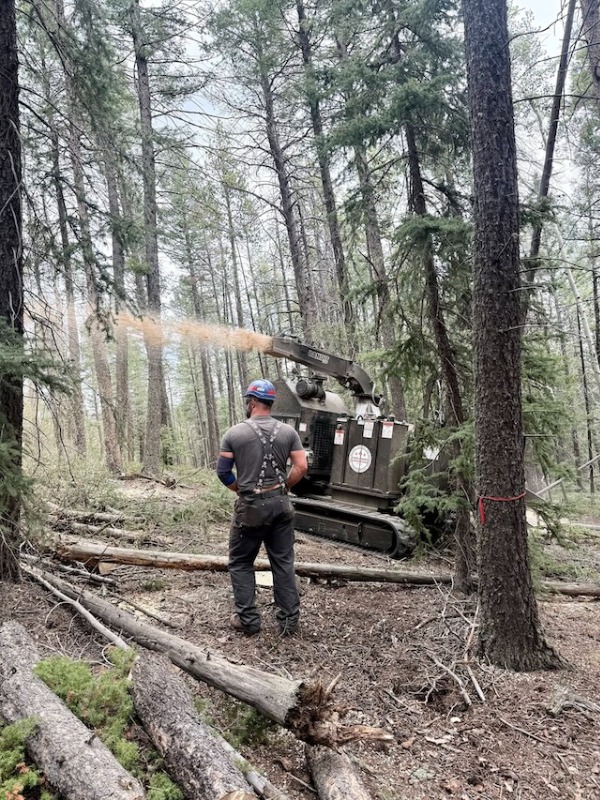
We love showing off our machines—but machines don’t mean much without the experts who operate them.
Providing meaningful employment for our team of wildland fire and forestry professionals is one of the most important things we do at Forestwerx.
When you hire Forestwerx, your investment stays right here in our mountain community. It supports professionals who work here, live here, raise their families here, and serve here.
Many members of our team have spent years—or decades—in public service as wildland firefighters and natural-resource professionals. Forestwerx gives them an opportunity to continue doing the work they are passionate about while building stable, sustainable careers here in the community they call home.
To us, that’s what being local means.
It means investing in our local economy. It means creating meaningful jobs for experienced professionals. It means giving firefighters and forestry professionals another way to continue serving their communities. And it means building a company where expertise, hard work, and professional growth are valued.
As we head into another busy year of forestry work in 2027, we’d encourage anyone hiring a forestry or wildfire mitigation contractor to ask a simple question:
“Where does my dollar go—and who does it support?”
There are some truly exceptional professionals living and working right here in our mountain communities. We’d love to see more of those dollars stay here and support them.
COMMUNITY & SCHEDULING UPDATE:
Our 2026 schedule is officially FULL!
We are already scheduling forestry, wildfire mitigation, and trail projects for winter and spring 2027. If you’re considering a project with FWx next year, the time to start the process is NOW.
303-717-0090
This email address is being protected from spambots. You need JavaScript enabled to view it.
Fire Professionals developing ecologically responsible fire Hardened environments since 2020.
www.forestwerx.com/
303-717-0090
Please Log in or Create an account to join the conversation.
- Forum
- Mountain Classifieds
- Free Business & Member Classifieds
- Forestwerx, your homegrown Fire Mitigation, Forestry & Trail Building experts
Time to create page: 0.417 seconds
sponsors